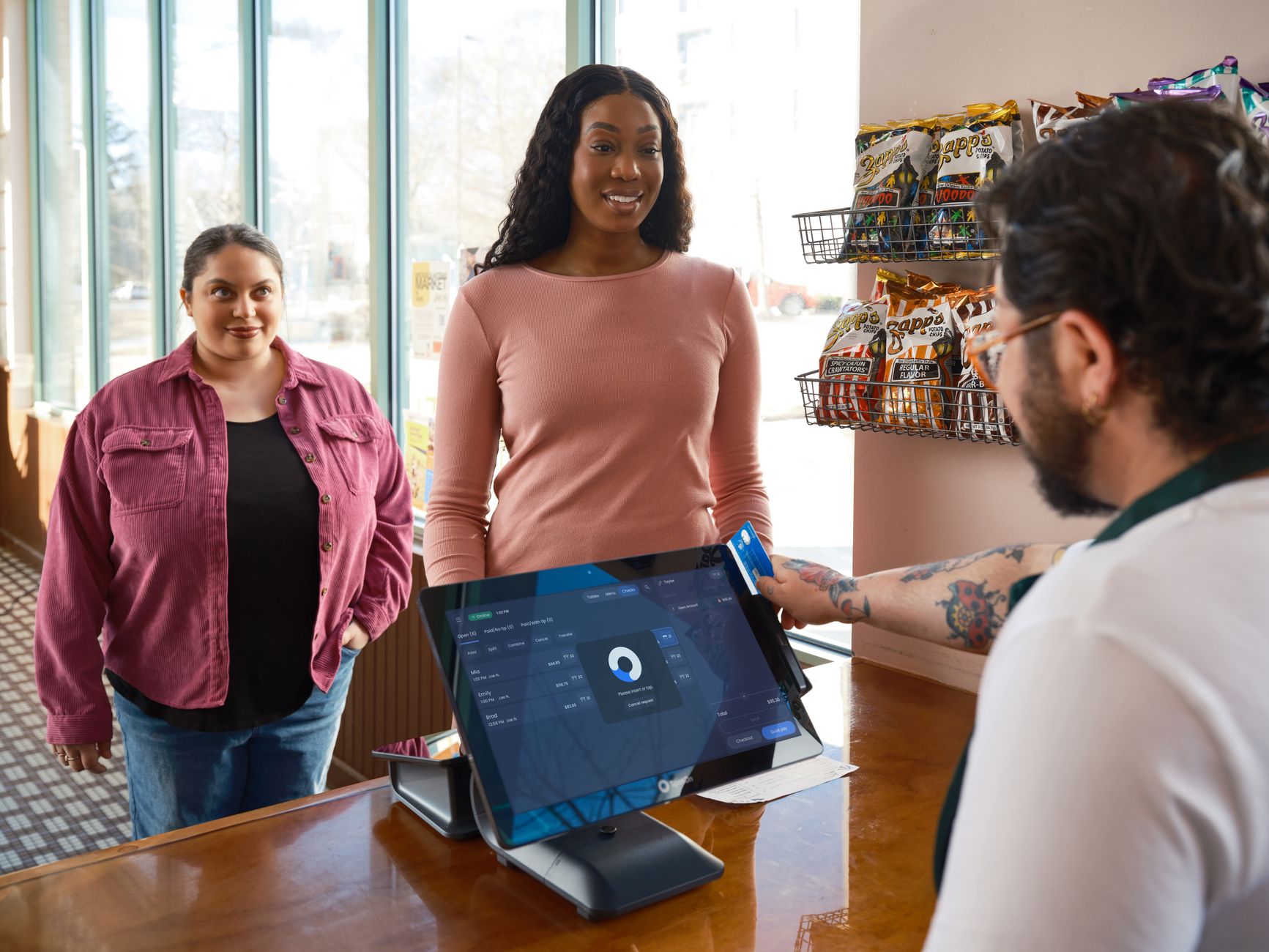
To implement age verification in B2B retail environments, you need a layered system that confirms both the business and the individual buyer are of legal age for adult products. This typically involves an initial 18+ age gate on digital portals, enterprise account registration requiring company details, and staff-facing procedures for physical sales environments.
What You'll Need
- A digital age gate for your online portal – An 18+ age gate is the first line of defense for any wholesale portal selling adult products. Ngpeurope.eu uses an "Are you over 18 years of age?" prompt that blocks underage access before any browsing occurs. This is critical because it prevents minors from even viewing product catalogues.
- Enterprise account registration forms – Business-to-business age verification goes beyond a simple birthdate checkbox. A wholesale portal should require company legal name, register number, country, and VAT status or number. This ensures you're dealing with legitimate trade professionals, not individual consumers.
- Administrator activation process – Account registration should not be instant. An administrator must review and activate each account after verifying the business details. This manual or semi-automated step adds a layer of scrutiny that automated systems alone cannot provide.
- Staff training materials for physical retail – For brick-and-mortar B2B locations, employees need clear protocols for checking ID and refusing service. This includes knowing which forms of identification are acceptable and how to handle challenges.
- Documented procedures for handling non-compliant buyers – Written policies that outline the steps to take when a buyer cannot verify age or presents questionable documentation help ensure consistency and legal defensibility.
Step 1: Deploy an 18+ Age Gate on Your B2B Portal
The most effective age verification starts before a visitor sees any product. Place an age-verification prompt on your portal's landing page or login screen. This gate should simply ask whether the user is over 18 (or the legal age in their country) and require a "Yes" response to proceed.
Why this matters: An age gate acts as a deterrent and a clear record of your compliance efforts. Even if a minor attempts to bypass it, having the gate in place demonstrates a good-faith effort to restrict access. For B2B portals, this gate also signals to trade buyers that you take responsible retailing seriously.
Tip: Use a modal overlay that cannot be dismissed by clicking outside the box, and do not store a persistent cookie for the age choice—force re-verification on each session or after a reasonable timeout.
Step 2: Implement Enterprise Account Registration with Company Details
After the age gate, require all B2B buyers to register for a wholesale account before they can make purchases or access full catalogue details. The registration form should ask for company legal name, company register number, country, company address, and VAT status.
Why this matters: Collecting company details allows you to verify that the buyer is a legitimate business entity, not an individual consumer or minor. The company register number can be cross-checked against public business registries in the buyer's country.
Decision criteria: Decide whether to accept businesses without a VAT number—some legitimate small retailers may not have one. In that case, alternative verification methods, such as a utility bill or banking confirmation, can be used.
Step 3: Require Administrator Activation for All Accounts
Do not automatically approve registrations. Instead, implement an administrator activation step where a staff member reviews each application. This review should confirm company existence via official registries, verify address, and assess the nature of the business.
Why this matters: Automated sign-ups can be gamed. Administrator activation adds a human judgment element that catches inconsistencies—such as a registration that lists a residential address but claims to be a distributor. This step is critical for maintaining an adult-only wholesale channel.
Warning: Do not rely solely on automated checks. Phishing sites or fake companies can pass automated validations. Always manually verify at least one detail—either by calling the listed business number or cross-referencing the company register.
Step 4: Set Up Staff-Facing Age Verification Protocols for Physical Environments
For wholesalers with physical showrooms or retail counter sales, age verification cannot end at the portal. Train staff to ask for government-issued photo ID (passport, driver's license, or national ID card) from any buyer who looks under 25 (Challenge 25 policy).
Why this matters: In physical B2B settings, the person collecting the order may not be the same person who registered the account. A delivery driver or junior employee might present themselves at the counter. Requiring ID at every pickup ensures that whoever takes possession of the product is of legal age.
Tip: Post clear signs at the entrance stating that age verification is required, which reinforces the policy and reduces pushback.
Step 5: Document and Enforce a Non-Compliance Procedure
Create a written procedure for what happens when a buyer fails age verification—whether they cannot produce ID, present an expired document, or appear underage. The procedure should include: politely refusing service, logging the incident (without storing unnecessary personal data), and informing the buyer how they can return with proper ID.
Why this matters: Consistency in enforcement protects you from claims of discrimination or arbitrary denial. A documented incident log also serves as evidence of compliance in case of an audit or investigation.
Troubleshooting / Common Issues
Issue: A buyer claims their company registration is pending and cannot provide a register number.
Solution: Offer provisional registration subject to document verification. Accept alternative proof such as a pre-registration certificate from the business registry, a bank statement in the company name, or a supplier invoice. Once the company register number is issued, update the account.
Issue: A delivery driver picking up an order does not have photo ID.
Solution: This is common in B2B logistics. As a workaround, pre-approve named drivers on the account during registration. The account administrator can provide a list of authorized drivers. When a driver arrives, verify their identity against the list, then require that they sign a log confirming their age. For unlisted drivers, refuse the pickup and ask the buyer to reschedule with an authorized person.
Issue: International buyers present IDs unfamiliar to your staff.
Solution: Create a quick-reference guide with images of common ID formats from your primary markets (EU national ID cards, passports from European countries, etc.). Train staff to check for security features like holograms, microprinting, and expiration dates. If staff are unsure, ask for a second form of ID or contact the buyer's company directly for confirmation.
Next Steps
Age verification in B2B retail environments is not a one-time setup—it requires ongoing maintenance, staff training, and process updates as regulations evolve. Start by auditing your current verification methods against the three-layer approach outlined here: digital age gate, enterprise registration with company details, and administrator activation. For physical points of contact, implement a Challenge 25 policy and maintain consistent enforcement. Document all procedures and train staff regularly. Finally, keep records of your verification processes and incident logs as part of your compliance framework. The goal is not just to meet minimum requirements, but to create a system that trade professionals trust and that protects your business from underage access.
This product contains nicotine where applicable. Nicotine is addictive. Not for use by minors or anyone under the legal age in their country. This content is for general trade information only and does not constitute medical or legal advice.