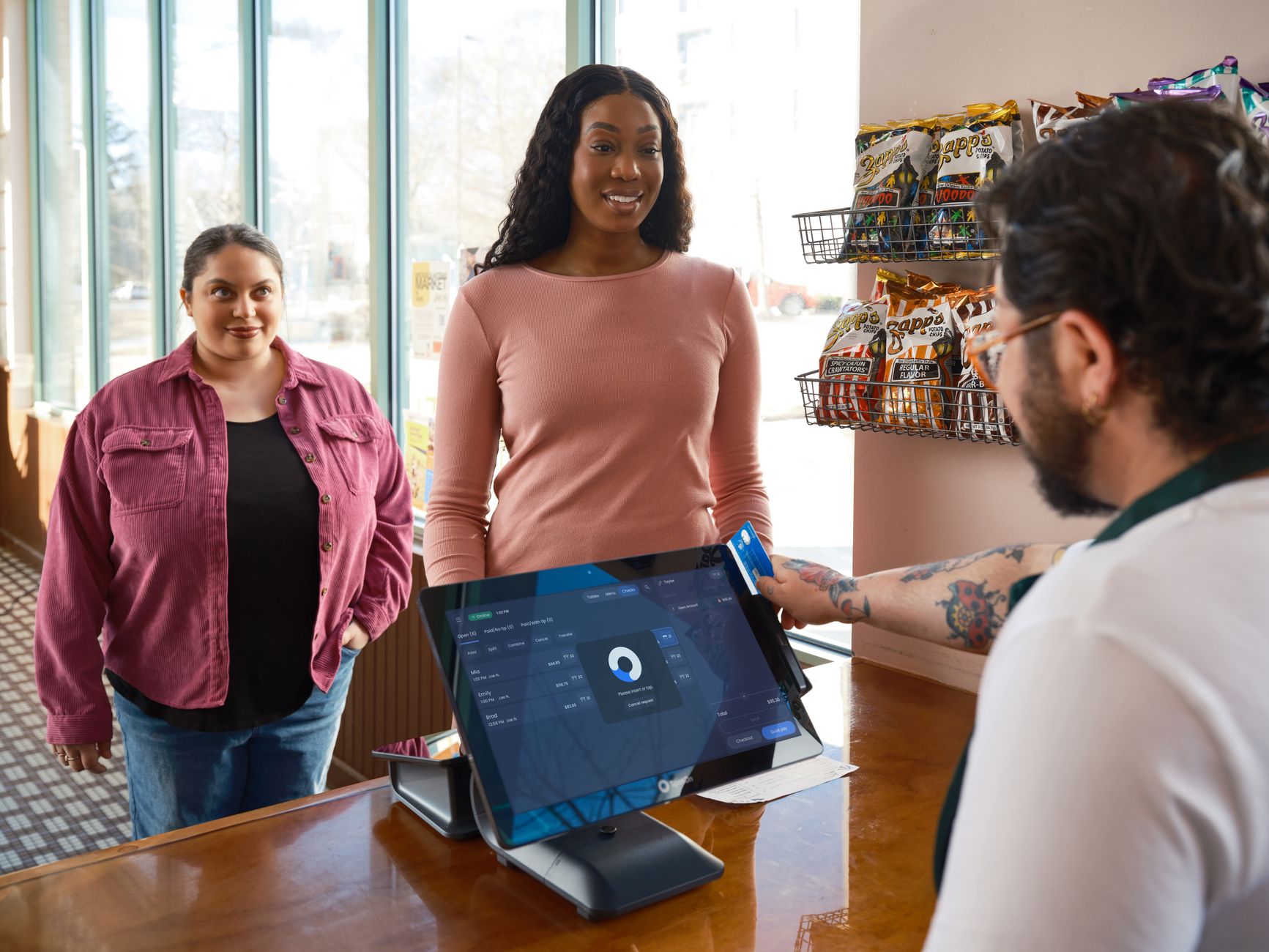
How to Plan ID Scanning Coverage Across Multiple Till Points
Planning multi-lane ID scanning coverage means mapping every till point where an age-restricted sale can complete, assigning an identity-verification method to each lane, and standardizing the response when a scan fails. The goal is consistent till point age verification at every checkout, not coverage at the busiest lanes only. NGP Europe maintains an adult-only wholesale portal with an 18+ age gate, and the same adult-only discipline applies at physical retail, where sales complete at the till rather than at the door.
This guide sits alongside the broader walkthrough in In-Store ID Scanning and Point-of-Sale Controls: A Complete Guide, which covers the full point-of-sale control environment. Here, the focus narrows to one planning problem: how to decide where scanning hardware and staff-facing checks should live across a store with more than one till.
Key Takeaways
- Multi-lane ID scanning is a coverage question, not a hardware purchase. The first step is listing every till point where an age-restricted transaction can be completed, including seasonal and backup lanes.
- Not every lane needs identical hardware, but every lane needs an identical verification standard, so the customer experience does not change depending on which till is open.
- Edge cases decide the plan. A connector cannot scan, a screen fails, or a customer refuses. Each lane needs a defined fallback, such as the workflow in How to Handle Manual Age Verification When Technology Fails.
- Physical layout drives scanner choice more than product range does. Counter depth, lighting, and the scanned-item area next to the till all shape which device works in practice.
- Staff-facing prompts and escalation scripts are part of coverage, not an add-on. A scanner that flags a check is only useful if the operator knows what to do next.
Why Does Multi-Lane ID Scanning Need Its Own Plan?
A single-till store can rely on habit. The cashier sees every transaction, and the same person applies the same check each time. Multi-lane stores break that pattern. Different staff work different lanes, shifts overlap, and a customer can complete an age-restricted purchase at whichever till happens to be free.
That is why multi-lane ID scanning should be planned as a coverage map rather than bought as a device. Mapping every lane ensures no checkout silently becomes a gap in the verification chain. In adult-only retail contexts, a gap at one lane undermines the standard applied at all the others.
Definition matters here. Multi-lane ID scanning means identity-verification hardware or prompts deployed across more than one checkout position, with a documented verification method per lane. It does not require the same scanner model at each till. It does require the same standard of check, so a transaction cannot pass through a less careful lane by accident.
Products sold through the NGP Europe wholesale portal are intended for adult-only channels and verified business customers. The portal itself uses an 18+ age gate. Physical retail is where that positioning meets a real customer at a real counter, which is why lane-level planning deserves its own exercise.
How Do You Map Every Till Point That Needs Coverage?
Start with a physical walk of the store. List each position where a sale can be completed and a payment taken. Most retailers think of the mains, but coverage gaps usually appear at the edges of the layout.
A practical mapping pass includes:
- Main tills used every trading hour
- Backup or overflow tills used at peak periods
- Seasonal or temporary checkouts added for busy periods
- Self-service or assisted payment points, if the store operates them
- Any counter where staff can complete a sale away from a fixed till
Once the list exists, classify each lane by how often it handles age-restricted items. A lane that sells pouches daily needs hardware that is ready instantly. A seasonal lane may need a defined process rather than a second full device. The classification, not the lane count, drives cost and effort.
This is the part most plans skip. A store can install scanners at three main tills and still lose consistency because the fourth, rarely staffed lane has no method at all. The map should show, lane by lane, where a check happens and how. The same logic applies when connecting the hardware: integration choices are covered in How to Integrate ID Scanners with Point-of-Sale Systems for Adult-Only Sales.
Which Scanner Type Fits Which Lane?
Scanner selection is a lane-level decision, not a store-level one. The technology categories, from optical document imaging to operator-entered dates, behave differently at the counter. A full review of the options is available in What ID Scanning Technologies Are Available for Retail Age Checks.
The planning question is simpler: what does this lane physically allow? Counter depth, lighting, cabling routes, and the space next to the till all constrain the answer. A scanner that needs a clear scanning zone will not work on a cramped seasonal table. A device that requires the operator to angle the document needs enough clearance to do that comfortably.
| Lane characteristic | Practical implication for scanner planning |
|---|---|
| Permanent main till with fixed counter | Best candidate for a fixed scanner with consistent orientation |
| Temporary or seasonal lane | A defined manual method may be more reliable than deploying hardware |
| Shared lane with mixed staff | Prompt design matters more than device choice |
| Lane near an entrance with strong light | The scanning zone should be positioned away from glare sources |
Coverage quality depends less on buying the most capable scanner and more on matching the device to the lane. A mid-range scanner that staff use consistently beats a high-spec model that sits unused because it slows the queue.
What Should the Workflow Look Like at the Counter?
A consistent till point age verification workflow protects the store more than any single device. The sequence should be the same at every staffed lane, whether the scan succeeds or fails.
A generic workflow that many retailers adopt runs as follows. The operator requests identification as the product is presented. The scan is attempted. If the scan confirms an eligible customer, the sale continues. If the scan cannot complete, the operator switches to the manual method defined for that lane, without improvising. If the customer cannot be verified, the sale does not proceed. Each stage should be short enough to run during a normal transaction.
The reason this matters is consistency. If one lane scans and another lane eyeballs, the store is running two different policies at once. Writing the workflow down and posting it at each till removes that ambiguity.
The staff-facing prompt is the hinge. A scanner that flags a check is only useful if the operator is prompted clearly and knows the next step. The design considerations for these prompts are covered in How to Set Up Staff-Facing Age Verification Prompts at Checkout.
One caveat: the right workflow depends on the store's layout and staffing model. A staffed lane and a self-service point solve verification differently, and copying a workflow from one format to another without adjusting for the counter is a common planning mistake.
How Do You Handle Failures, Refusals, and Edge Cases?
Edge cases decide whether a plan holds. Scanners fail, screens freeze, and some customers will not or cannot present identification. The plan should assume these events will happen at some point on every lane.
The starting point is a short fallback list per lane. It should say what the operator does when the device is unavailable, when the customer refuses a scan, and when the identification presented cannot be read. These are not legal procedures; they are staff instructions. Keeping them short and concrete makes them usable under pressure.
Refusal handling deserves its own line. A calm, policy-based script reduces friction, and the store's approach to this is worth rehearsing rather than improvising. Consistency again is the point. If two lanes handle a refusal differently, customers notice and staff compare notes.
Coverage planning should also account for maintenance. A lane with no spare path for a device outage effectively has no verification method for as long as the outage lasts. A simple option is to treat the manual method as the true backup, and the device as the fast path. That way, the plan does not depend on any device staying online.
Frequently Asked Questions
Does every till point need identical ID scanning hardware?
No. Consistency of verification standard matters more than identical devices. Permanent, high-traffic lanes usually justify fixed devices, while temporary or seasonal lanes may use a defined manual method. What must not vary is whether a check happens at all and how a failed check is handled.
How do you decide between a scanner and a manual check at a specific lane?
Weigh three factors: how often the lane handles age-restricted items, how much counter space is available, and how stable the lane's staffing is. A lane that is rarely used and irregularly staffed often runs better on a clear manual method than on hardware that nobody is trained to operate.
What is the biggest planning mistake in multi-lane setups?
Covering the main tills and assuming the rest are low risk. Backup, seasonal, and temporary lanes are exactly where verification gaps appear, because they are the least rehearsed. Mapping every lane, including the ones used twice a year, closes that gap before it opens.
How does this connect to the wider point-of-sale control picture?
Scanner coverage is one part of a larger control environment that includes prompts, integration, signage, and staff training. The broader walkthrough is in In-Store ID Scanning and Point-of-Sale Controls: A Complete Guide, which is the natural next read after the lane-level plan is agreed.
Next Steps: Turn the Coverage Map Into a Routine
Multi-lane ID scanning works when the plan is treated as a living document. The coverage map, the workflow, and the fallback list should be reviewed when the store layout changes, when lanes are added or removed, and when staff rotate onto unfamiliar tills.
For B2B buyers, the same discipline applies to the wholesale relationship itself. NGP Europe operates an official adult-only wholesale portal with enterprise account registration and administrator activation, and the public site lists named sales contacts for wholesale enquiries. A retailer preparing an account can align its in-store verification plan with the adult-only positioning the portal already applies at the point of access.
Start small if needed. Map the lanes, write the workflow, test it at one till, then roll it out. Consistency across lanes is a process achievement, not a product feature, and it holds only as long as someone owns it.
This product contains nicotine where applicable. Nicotine is addictive. Not for use by minors or anyone under the legal age in their country. This content is for general trade information only and does not constitute medical or legal advice.