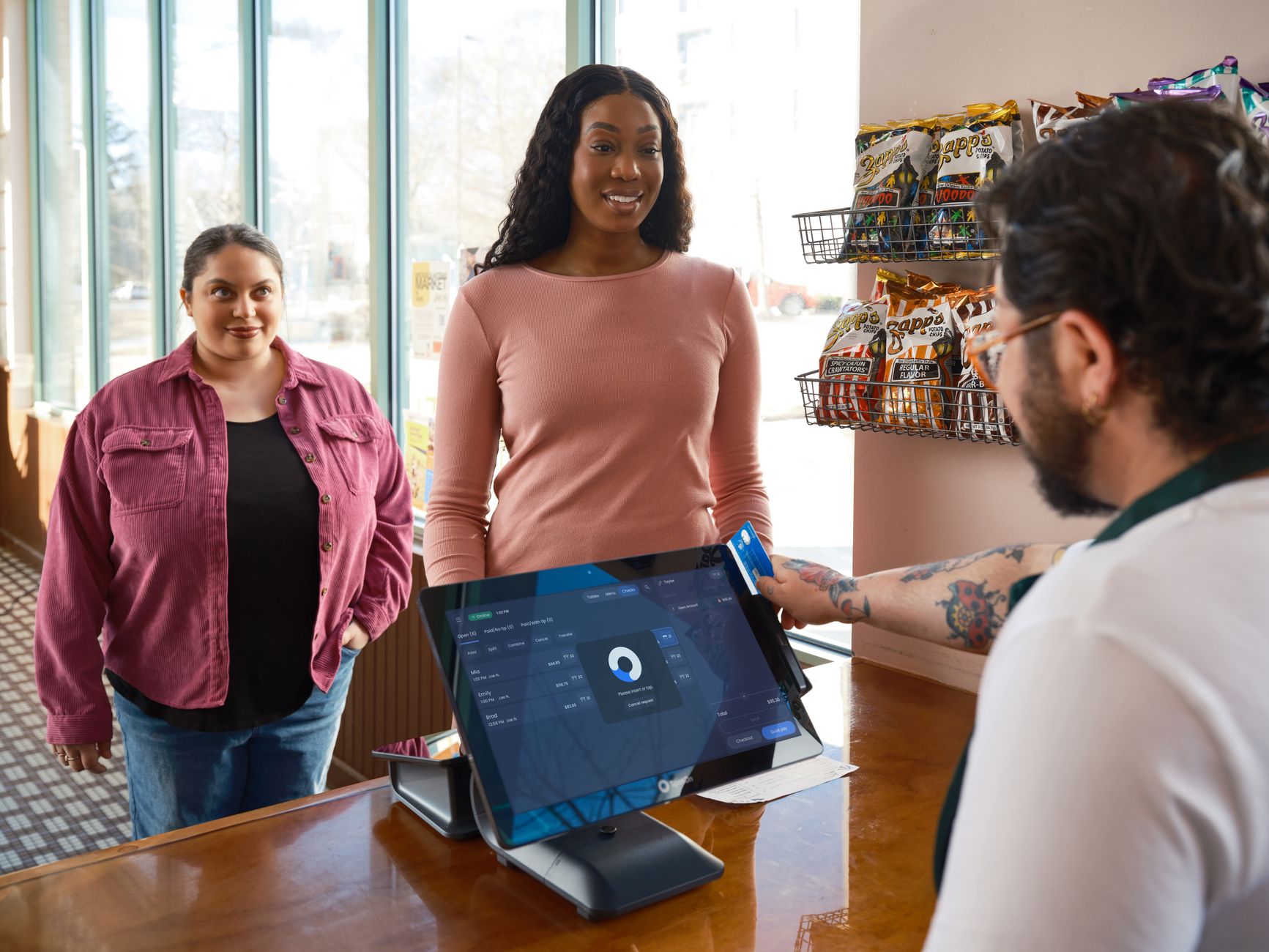
Identity verification tools help prevent underage purchases of nicotine products by confirming that the person attempting to buy is legally an adult. In a B2B wholesale context, this means verifying both the business and the individual administrator during account registration, as well as using age checks at the point of sale and delivery. While no single method is foolproof, combining identity verification with robust access control creates a layered defense that supports responsible retailing.
Key Takeaways
- Identity verification confirms age and identity, not just age. It typically checks an official ID document against the person presenting it.
- The 18+ age gate is a first step, not a full solution. Age gates restrict access to adults, but they do not prove identity. Identity verification adds a critical layer.
- B2B wholesale portals use business registration to prevent underage access. Requiring company details and administrator activation helps ensure that only verified adult trade professionals place orders.
- Retail staff training is essential. Even the best verification tools fail if staff do not follow procedures. A consistent ID-checking workflow is part of the system.
- Delivery-stage checks matter. Verifying age at the point of delivery closes the gap between an online purchase and the final handover.
What Are Identity Verification Tools and How Do They Work?
Identity verification tools confirm that a person is who they claim to be and that they are of legal age. These tools typically combine several checks: document authentication, biometric comparison, and database cross-referencing. For example, a tool might ask the user to upload a government-issued ID, then use facial recognition to compare the selfie with the photo on the document. It may also check the document's authenticity against issuing authorities and flag known fraud patterns.
In a wholesale environment, identity verification often happens at account registration. A business user provides company details, and an administrator must be activated—this is a manual or automated step that verifies the individual's role and age. The process is not simply a checkbox; it creates a verified record that the business and its designated representatives are legitimate adult buyers.
Understanding the difference between age verification and identity verification is crucial. Age verification only confirms that the user is over a certain age, often through a simple date-of-birth claim or a lightweight check. Identity verification goes further: it links the age to a verified identity document, making it harder for minors to bypass the system by using a false birth date. For adult-only nicotine products, identity verification is the stronger safeguard.
How Does Identity Verification Differ from an Age Gate?
An age gate is a digital barrier that asks users to confirm they are of legal age before entering a site or completing a purchase. Many age gates are simply a checkbox or a date-of-birth field—no proof is required. This is an access control measure, not a verification measure. An age gate is easy to bypass; a minor can simply type a false birth year.
Identity verification, by contrast, requires evidence. The user must present a document that proves age and identity. The system validates the document and often checks that the person presenting it matches the photo. This makes identity verification significantly more robust than a simple age gate.
In practice, the two are used together. An age gate restricts initial access, while identity verification is triggered at checkout or at registration for a B2B account. The official ngpeurope.eu portal uses an 18+ age gate at entry, but the enterprise registration process goes further by requiring company details and administrator activation. This layered approach means that simply passing the age gate does not grant wholesale purchasing privileges; the account must be verified.
Why Should Retailers and Wholesalers Care About Underage Prevention?
Responsible retailing is a core expectation in the adult nicotine trade. Retailers and wholesalers have a shared interest in ensuring that nicotine products do not reach minors. Underage access not only violates legal age restrictions—where they apply—but also undermines consumer trust and the industry's credibility. For B2B buyers, demonstrating a commitment to age verification can be part of their own due diligence when selecting suppliers.
There are practical reasons to care. Minors who obtain nicotine products may be a sign of weak internal controls, which could lead to reputational damage or legal consequences depending on local laws. Moreover, a retailer that cannot show a clear age-verification process may find it harder to build long-term relationships with wholesale partners who expect responsible distribution.
The business case for robust identity verification is straightforward: it reduces the risk of non-compliance, protects the brand, and supports a sustainable adult-only market. It is not about discouraging adult consumers—it is about ensuring that the product is sold only to them.
How to Integrate Identity Verification into Your Workflow
Integrating identity verification into a B2B nicotine wholesale operation involves several steps. The exact process will depend on your sales channel—online, in-store, or B2B wholesale—but the core principles are consistent.
Step 1: Establish an Adult-Only Access Point
Start with a basic age gate at the entry to your online portal or retail point. This is the first line of defense. For a wholesale portal, this might be an 18+ checkbox or a redirect to a separate adult section. The official ngpeurope.eu portal uses an 18+ age gate at entry. This prevents accidental access by minors but is not sufficient on its own.
Step 2: Require Business-Level Verification for Wholesale Accounts
For wholesale accounts, require company details and administrator activation. According to the official ngpeurope.eu portal, enterprise registration requires company information and administrator approval before the account is active. This step ensures that the individual placing orders is acting on behalf of a verified business, not as a private consumer—and that the business itself has been vetted.
Step 3: Apply Identity Verification at the Individual Level
Even within a verified business account, the designated administrator should undergo identity verification. This may include uploading a government-issued ID and passing a live biometric check. Some systems allow the business to list multiple authorized buyers, but each one must be verified individually. This prevents a minor from using a parent's or employer's business account to order.
Step 4: Verify Age at the Point of Sale or Checkout
For online sales, integrate an age-verification service at checkout that uses identity data, not just a checkbox. For in-store sales, train staff to check physical IDs and scan them when possible. For B2B orders, the checkout can require the verified buyer to consent to an identity check if the transaction triggers a high-risk flag.
Step 5: Verify Again at Delivery
Age verification at delivery is an essential last step, particularly for home deliveries. The delivery courier should be instructed to check the recipient's ID and confirm that it matches the name on the order and that the recipient is of legal age. This closes the gap between the online verification and the physical handover.
What Are the Strengths and Limitations of Identity Verification Tools?
Identity verification tools are highly effective at preventing underage purchases, but they are not perfect. Their strengths include: a high level of assurance that the person is an adult; they create a verifiable audit trail; they deter attempts to use fake or borrowed IDs; and they can be automated, reducing staff error.
However, there are limitations. No verification method can guarantee that the person receiving the product is the same person who was verified online—unless there is a delivery-stage check. Identity verification can also be inconvenient for legitimate adult customers, leading to cart abandonment or friction in the wholesale ordering process. In addition, verification relies on the quality of the document databases and the algorithms used; some methods may fail with certain document types or in countries with less standardized IDs.
It is also important to note that identity verification does not assess the suitability of the product for a particular individual. It only confirms age and identity, not health status or whether nicotine is appropriate for that person. This is guidance for trade professionals, not a substitute for medical advice.
Another limitation is that identity verification tools are only as effective as the staff who operate them. A well-designed verification system can be undermined by a single employee who neglects to check ID. Therefore, staff training is a critical part of the workflow.
How to Choose the Right Identity Verification Approach
Choosing the right identity verification approach depends on several factors: the sales channel (online, retail, wholesale), the volume of transactions, the level of risk you are willing to accept, and the regulatory environment in your country. No single solution fits every business, so it is wise to evaluate options against your specific needs.
Key Questions to Ask
- Channel: Do you sell online, in-store, or both? Online sales may need automated digital verification; in-store sales may rely on physical ID checks with staff training.
- Integration: Does the verification tool integrate with your e-commerce platform or point-of-sale system? A seamless integration reduces friction and errors.
- User experience: How much friction is acceptable? A more rigorous verification process may discourage legitimate buyers, so balance security with convenience.
- Cost: What is the cost per verification? More advanced systems may be more expensive, but they reduce risk.
- Data protection: How does the tool handle personal data? Privacy is a concern, so choose a provider with clear data handling policies.
A Decision Framework
- If you operate a wholesale portal, your primary concern is verifying the business and its administrators. Use a verification service that supports business registration checks and individual identity verification for key personnel.
- If you run an online retail store, you need to verify age at checkout and ideally at delivery. Choose a tool that can authenticate age based on official records or ID document checks.
- If you have physical retail locations, your focus shifts to staff training and ID scanning equipment. The human element is central; consider regular training and mystery shopper audits.
Remember that identity verification is not a one-time event. It should be part of an ongoing system, with periodic re-verification of existing wholesale accounts and regular refresher training for staff. The landscape of verification tools evolves, so it is wise to review your approach periodically.
Frequently Asked Questions
Is an age gate the same as identity verification?
No. An age gate is a simple barrier that asks users to confirm they are of age. Identity verification requires proof, such as a government-issued ID, to establish identity and age. Age gates can be easily bypassed, while identity verification provides a higher level of assurance.
What information does a business need to provide for wholesale registration?
According to the official ngpeurope.eu portal, enterprise registration requires company details and administrator activation. This typically includes business name, address, and tax identification, plus a designated administrator who must be confirmed. The exact requirements will vary by supplier, but the principle is the same: verify the business and its representatives.
Do I need to verify customers again at delivery?
Yes, it is a good practice to verify age at delivery, especially for online orders. The person receiving the package may not be the person who placed the order. A delivery-stage check—checking the recipient's ID and confirming they are of legal age—helps ensure the product does not end up in the hands of a minor.
Can identity verification tools be automated?
Yes, many identity verification tools are automated. They use algorithms to check document authenticity, biometric matching, and cross-referencing with databases. However, automated systems are not infallible, and some transactions may need manual review. Human oversight remains an important layer.
How does identity verification affect the customer experience?
Identity verification can add a few extra steps, which some customers may find inconvenient. However, for adult-only products, it is a necessary part of responsible retailing. A well-integrated solution can minimize friction by being quick and user-friendly, while still providing a high level of assurance.
Key Takeaways
- Identity verification is a robust method that proves a person's identity and age, unlike a simple age gate that can be bypassed.
- For B2B wholesale, registration should require company details and administrator activation to verify the business and its representatives.
- A layered approach—age gate, identity verification at account creation, checkout, and delivery—is the most effective way to prevent underage purchases.
- Staff training is critical; a verification tool is only effective if employees follow the process.
- No single verification method is perfect; each has strengths and limitations, and the right choice depends on your sales channel, product, and risk tolerance.
Conclusion
Preventing underage purchases of nicotine products is a shared responsibility across the supply chain. Identity verification tools are a powerful part of that effort, but they are not a standalone solution. They work best when combined with access controls like age gates, business registration processes, staff training, and delivery-stage checks. While each method has limitations, together they create a robust system that supports responsible retailing. For B2B buyers, understanding how identity verification works—and being able to demonstrate it—can build trust with suppliers and protect the long-term credibility of the adult nicotine trade.
As you evaluate your own processes, remember that the goal is not to create unnecessary barriers for legitimate adults but to ensure that nicotine products are sold only to those who are legally allowed to purchase them. By layering verification methods and training your team, you can strike that balance. For a deeper look at the full range of age verification approaches, review our Guide to Age Verification Methods for B2B Nicotine Wholesale and learn how to Implement Age Verification for Online Nicotine Product Sales. If you're new to this topic, start with our Age Verification and Access Control: A Complete Guide.
This product contains nicotine where applicable. Nicotine is addictive. Not for use by minors or anyone under the legal age in their country. This content is for general trade information only and does not constitute medical or legal advice.