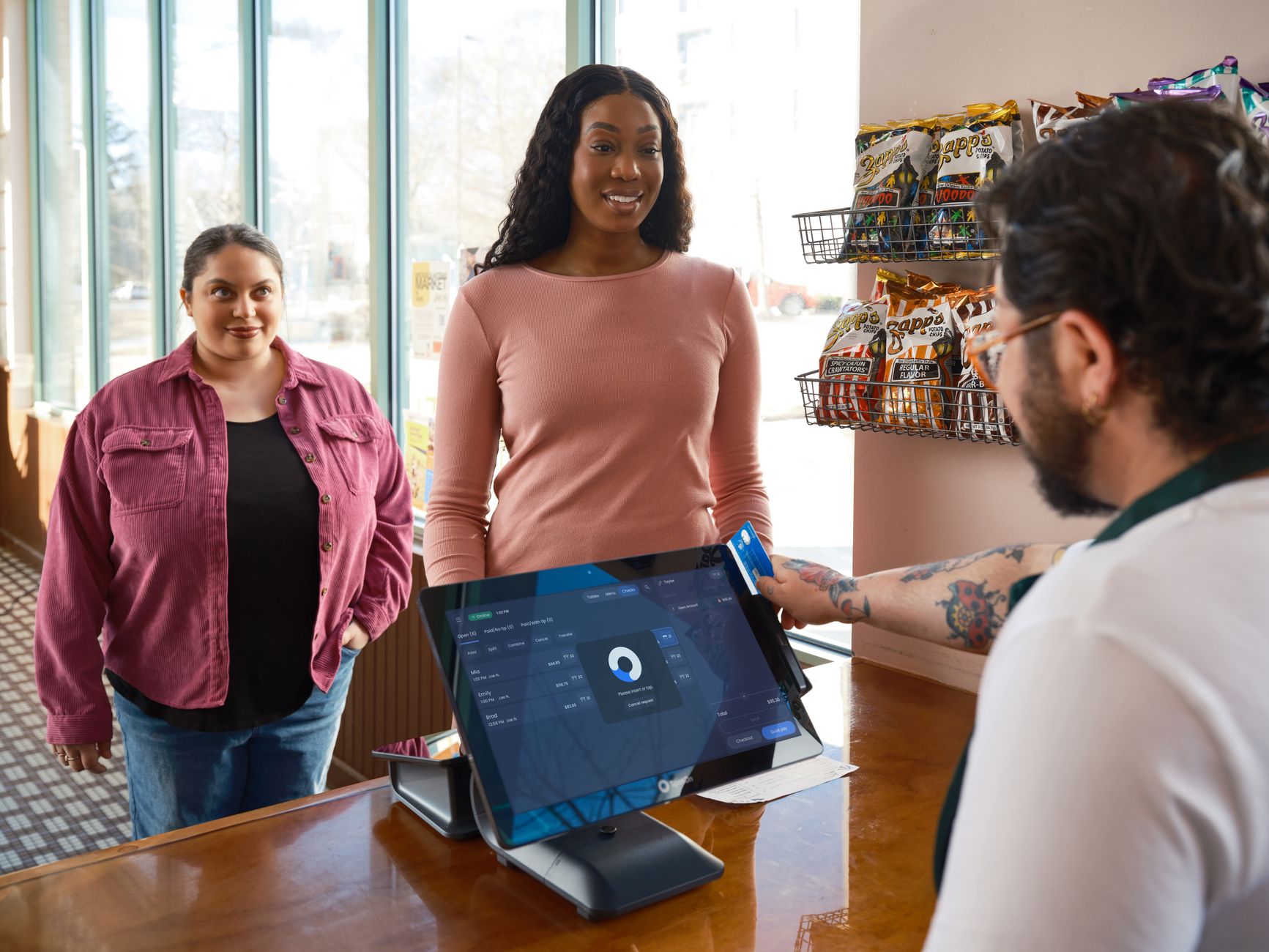
A responsible retailing training program for nicotine products should cover age verification, product knowledge, handling customer questions, display and storage practices, and clear policies for refusing sales. The goal is to equip staff with the skills and confidence to sell adult-only products responsibly while maintaining a professional, compliant operation. This guide outlines the essential topics to include, with practical considerations for B2B retailers and wholesalers.
Key Takeaways
- Responsible retailing training centers on age verification and adult-only sales, not on medical or cessation advice.
- Staff should understand the difference between nicotine strength units, such as mg/g versus mg/pouch, to answer basic product questions accurately.
- Clear procedures for handling age checks and refusing sales are critical, and they work best when rehearsed in role-play.
- Training should emphasize that product pages on the wholesale portal are the source of truth for specifications like ingredients, net weight, and origin.
- Regular refresher sessions help maintain consistency, especially when new products or packaging are introduced.
Why Is Responsible Retailing Training Important for Nicotine Products?
Nicotine products are adult-only items, so the first line of defense against underage sales is a well-trained staff. A responsible retailing training program helps ensure that every employee understands their legal and ethical obligations, even if local regulations vary. The training is not about advising customers on health or cessation—it's about selling responsibly and professionally.
The official ngpeurope.eu portal, for example, enforces an 18+ age gate, which signals the importance of age verification in this category. Retailers should mirror that commitment in their own stores and online operations. Training staff on the "why" behind age checks—protecting minors and maintaining the integrity of the adult market—builds buy-in beyond just following rules.
What Are the Core Topics to Cover in a Nicotine Retail Training Program?
A comprehensive program should be structured around four pillars: age verification, product knowledge, customer interaction, and store policies. Here's a breakdown of each.
How Should Age Verification Training Be Handled?
Age verification is the cornerstone of responsible nicotine retailing. Training must cover how to ask for ID confidently, what forms of ID are acceptable, and how to recognize potential fakes. Staff should know the legal age in their jurisdiction, but also understand that the company policy may require checking ID for anyone who looks under a certain age—often 25 or 30.
Role-playing scenarios are valuable here. Have staff practice asking for ID in a polite but firm way, and rehearse how to handle a customer who refuses or becomes upset. The key is to keep the interaction professional and non-confrontational. Staff should also know that they have the right to refuse a sale if they are unsure about a customer's age.
What Product Knowledge Should Staff Have?
Product knowledge isn't about memorizing every nicotine strength or flavor—it's about knowing where to find accurate information and how to interpret it. For instance, understanding the difference between mg/g (milligrams per gram of pouch material) and mg/pouch (total nicotine per pouch) is crucial. These are not interchangeable figures, and quoting them incorrectly could mislead a customer.
The training should teach staff that individual product pages on ngpeurope.eu list specific details like ingredients, format, net weight, flavor, manufacturer, and origin. This is the approved source of truth. Staff should be encouraged to check the product page before answering detailed questions, rather than relying on memory. This approach reduces errors and keeps information consistent.
How Should Staff Handle Customer Questions About Nicotine Products?
Customers may ask about strength, flavor, or format. They may also ask about health effects or cessation. Staff should be trained to answer factual questions about the product itself—like nicotine content or flavor—but to decline to give medical or cessation advice. A simple, neutral response is best: "I can provide product information, but for health advice, please consult a qualified professional."
This boundary is essential. The training should make clear that staff are not expected to be experts on nicotine's health effects. Instead, they should redirect those questions to appropriate sources. This protects both the customer and the retailer from misinformation.
What Store Policies Should Be Included?
Employees need to know the store's policy on checking ID, what to do if a sale is refused, and how to handle a customer who tries to purchase for a minor. The policy should also cover display and storage—for example, keeping nicotine products out of direct reach of children and ensuring that age-restricted signage is visible.
A practical workflow for handling a refused sale could be:
- Politely inform the customer that you cannot complete the sale.
- Explain the reason (e.g., no valid ID).
- If the customer becomes difficult, call a manager or security.
- Document the incident if required by store policy.
Training should also address online sales, if applicable, covering age verification procedures for delivery and click-and-collect orders.
How Can Retailers Build a Training Program That Works?
Building a program doesn't require expensive resources. Start with a written policy and a simple training session for new hires, followed by periodic refresher courses. Use the following steps:
- Assess your current knowledge: Have staff take a short quiz on age verification and product terminology.
- Develop training materials: Use official product pages as references for product facts, and create simple handouts on ID checking and customer interaction.
- Deliver engaging sessions: Mix short presentations with role-play and real-world examples (without making up customer stories).
- Test and verify: After training, have staff demonstrate their ability to handle a mock ID check or a customer question.
- Document and reinforce: Keep training records and schedule follow-ups, especially when new products arrive or when staff turnover occurs.
For a more hands-on approach, consider pairing new staff with experienced colleagues for a shadowing period. This allows them to see responsible practices in action.
How Does a Wholesale Portal Support Responsible Retailing Training?
The wholesale portal itself can be a training resource. For instance, ngpeurope.eu provides detailed product pages that staff can consult during training. This teaches staff to rely on official sources rather than hearsay or outdated materials. Additionally, the portal's adult-only age gate demonstrates the industry standard for online access, which retailers can cite as a model for their own digital practices.
Beyond that, the portal's registration process—requiring company details and administrator activation—reinforces the idea that nicotine products are sold to verified businesses, not the general public. Retailers can use this as a talking point to help staff understand the chain of responsibility from wholesaler to retailer.
Frequently Asked Questions
What Is the Most Important Part of a Responsible Retailing Training Program?
Age verification is the most critical component. Ensuring that staff consistently check ID and refuse sales when necessary is the primary way to prevent underage access. Without this, other elements of training lose their impact.
Should Training Include Health and Cessation Information?
No. Training should focus on product facts, not health or cessation advice. Staff should know how to redirect such questions to professionals, as offering medical advice is outside the scope of retail and could be harmful.
How Often Should Training Be Refreshed?
Ideally, annual refresher training is a minimum, but more frequent updates are better when products change, laws evolve, or staff turnover is high. Some retailers schedule quarterly micro-sessions to keep topics top-of-mind.
Can Online Retailers Use the Same Training?
Yes, with adjustments. Online staff need to understand ID verification at delivery, age-verification software, and how to handle questions via chat or email. The core principles remain the same.
Conclusion
A responsible retailing training program for nicotine products is not optional—it's essential for protecting minors, building customer trust, and maintaining professional standards. By covering age verification, product knowledge, customer interaction, and store policies, you create a foundation for responsible sales. Training should be practical, grounded in official sources like ngpeurope.eu, and reinforced regularly. When staff are confident and informed, they can handle adult customers professionally and responsibly.
For more detailed guidance, see our Staff Training and Responsible Sales Practices: A Complete Guide and How to Train Retail Staff on Responsible Nicotine Product Sales.
This product contains nicotine where applicable. Nicotine is addictive. Not for use by minors or anyone under the legal age in their country. This content is for general trade information only and does not constitute medical or legal advice.