Age verification is the cornerstone of responsible nicotine retailing. It ensures that adult-only products reach only legal-age adults and helps maintain the integrity of trade channels. For B2B retailers, robust age verification also protects their business by establishing a clear, auditable process. This article explains why age verification matters, how it works in both physical and online environments, and how businesses can build a practical framework around it.
What Does Age Verification Mean for Nicotine Products?
Age verification is the process of confirming that a person is at or above the legal age to purchase nicotine products, typically 18 or 21 depending on local law. In B2B wholesale, age verification applies to two distinct layers: verifying the business itself and verifying the end customer at the point of sale.
At the wholesale level, ngpeurope.eu requires business registration with company details and administrator activation, which serves as a first step in vetting trade partners. This business-to-business verification differs from consumer-facing age checks, but both are part of the same goal: keeping nicotine products out of the hands of minors.
For retailers, age verification is not just a single moment at the counter. It's a continuous responsibility that includes checking the age of any individual purchasing nicotine products, whether in-store or online, and maintaining records of those checks where required. The exact legal requirements vary by jurisdiction, so the principles here focus on what makes a sound process, not on any specific law.
Why Is Age Verification Especially Important for Nicotine Retailers?
Several factors make age verification particularly critical for nicotine products:
- Regulatory scrutiny: Nicotine is a regulated substance in many markets, making compliance a focal point for licenses and business operations.
- Public health responsibility: Nicotine is addictive, and protecting minors from exposure is a core ethical obligation.
- Legal liability: Failure to verify age can result in fines, license suspension, or even criminal charges in some jurisdictions.
- Trust and reputation: Consistent age verification builds trust with wholesale partners and regulators, showing that a retailer conducts business responsibly.
These factors apply regardless of the specific product format, whether the retailer sells pouches, gums, or other nicotine products. The consequences of age verification failures are serious enough that a diligent approach is essential.
How Does Age Verification Differ Between Business-to-Business and Business-to-Consumer?
A common source of confusion is the difference between B2B and B2C age verification.
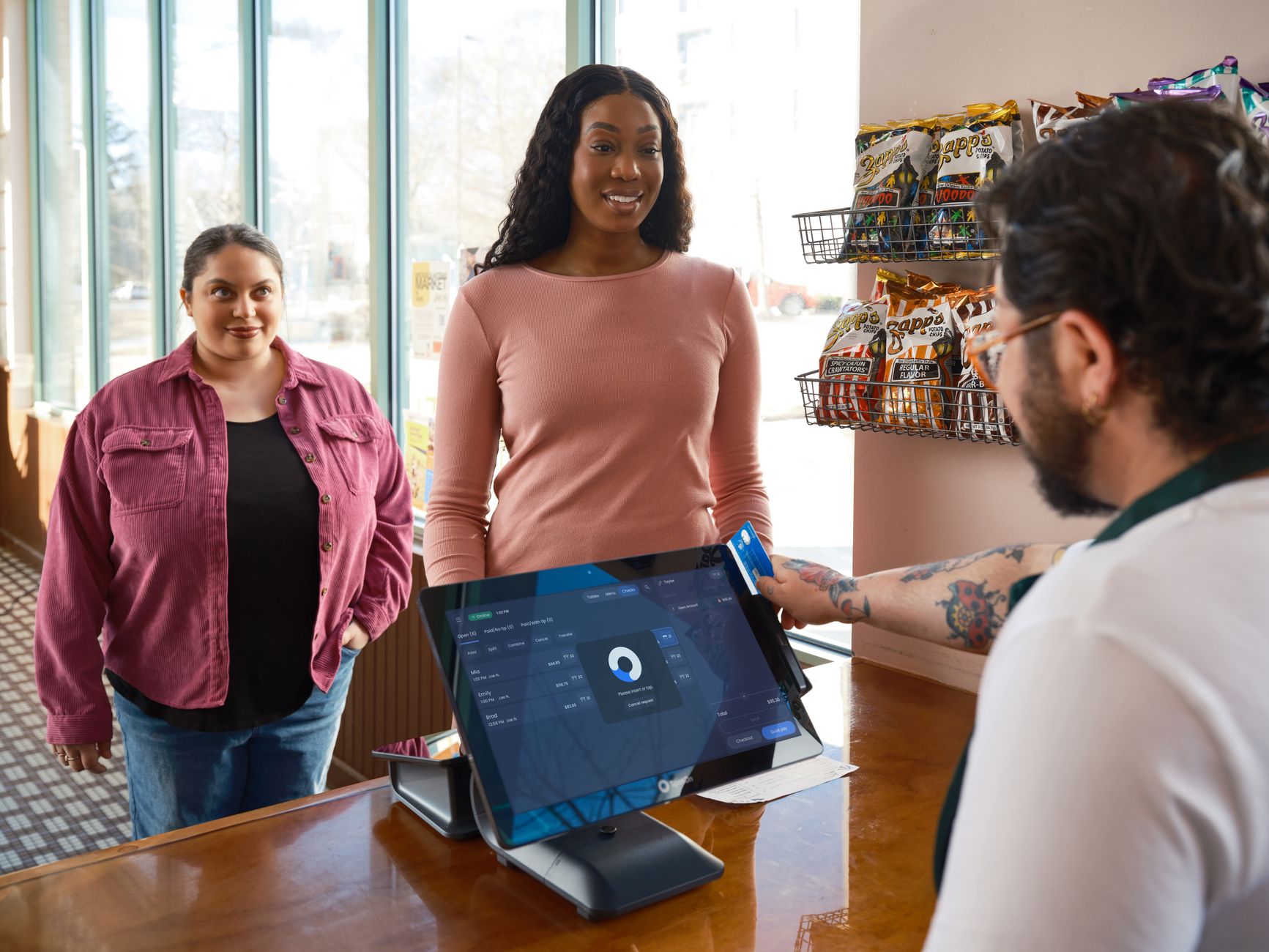
In a B2C sale, the focus is on the individual end customer's age. This usually involves checking ID documents at the point of sale or using an online age verification service that checks a customer's details against public records.
In a B2B wholesale transaction, the buyer is a business entity, not an individual. However, the person placing the order and the person receiving the goods must still be of legal age. The wholesale portal ngpeurope.eu handles this through a business registration process that requires company details and administrator activation. This ensures that the account holder is an approved adult representative of a legitimate business.
A practical framework for a B2B retailer might look like this:
- Verify the business: Confirm that the purchaser operates a legitimate business (e.g., valid business license, tax ID).
- Verify the individual: Ensure the person completing the purchase is an adult authorized by the business.
- Verify the delivery: When shipping, check the recipient's age at delivery, especially if the package requires an adult signature.
- Record the evidence: Keep a clear record of the verification steps taken, in case you need to prove compliance later.
This layered approach reflects the fact that age verification isn't a single event but a chain of checks from wholesale registration to the final customer.
What Is the Role of Age Gates and Online Verification on Wholesale Portals?
For online retailers and wholesalers, the digital storefront is the first line of defense. An age gate is a pop-up or interstitial page that asks visitors to confirm they are of legal age before entering the site or the product pages. ngpeurope.eu uses an 18+ age gate, which means anyone trying to access the portal must first confirm they are at least 18 years old.
While age gates are a simple and expected measure, they are not sufficient on their own. A visitor can simply click “I am over 18” without real verification. That's why substantial online operations often add a secondary layer: an age verification service that checks the user's age against authoritative databases, such as electoral rolls or credit bureau records.
On a wholesale portal, the age gate is often just the start. The registration process for trade accounts—where business details must be provided and an administrator approves the account—serves a dual purpose. It helps ensure the buyer is a legitimate trade entity, and it creates a record of who is responsible for the account. This is much stronger than a simple “click to enter” wall.
For B2B retailers, this means that when you choose a wholesale supplier, you should look for a portal that has robust access controls, not just a symbolic age gate. A portal that collects business credentials and requires activation is more likely to be a responsible trade partner.
How Should Retailers Implement Age Verification in Store and Online?
Practical implementation varies by sales channel. Here’s a breakdown:
In physical stores
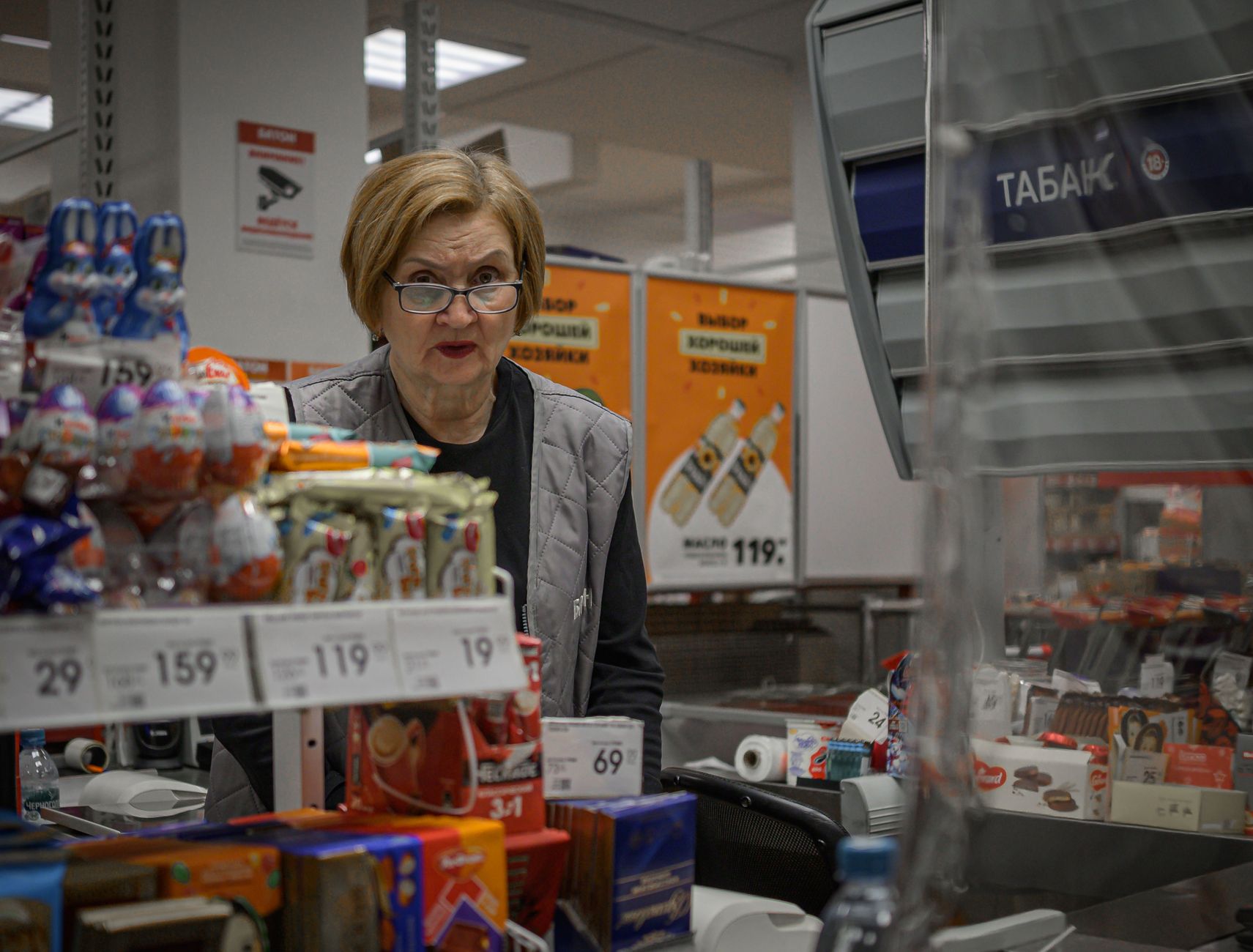
- Train staff to check ID for any customer who appears under a certain age (often 25, depending on policy).
- Accept only government-issued photo ID that indicates age, such as passports, driver’s licenses, or national ID cards.
- Politely refuse a sale if the customer cannot provide valid ID, and avoid accepting digital photos or expired documents.
- Post clear signage that the store follows a “Check ID” policy, which can discourage underage attempts.
- Keep a log of ID checks, if local law or your business insurance requires it.
Online
- Enable an age gate as a first step, but consider additional verification for higher-risk orders.
- Use a reputable age verification service that checks customer data against official records in real time.
- Require an adult signature upon delivery for orders that are not personally verified at checkout.
- Set up automated flags for orders where the payment method and shipping address differ, which may indicate a proxy purchase.
A balanced approach is key. Overly aggressive verification (e.g., requiring a copy of passport for every small order) can discourage legitimate adult customers. Overly lax verification risks underage sales. The right balance depends on your customer base, the average order value, and the legal environment.
What Are the Common Mistakes in Age Verification?
Even well-intentioned retailers make errors. Common pitfalls include:
- Relying solely on a click-through age gate without any verification of the data provided.
- Accepting non-government IDs or not recognizing foreign identification documents.
- Failing to apply the policy consistently—e.g., not asking for ID during busy hours.
- Not keeping records of age checks, making it impossible to prove compliance later.
- Overlooking B2B wholesale layers—assuming that a business account automatically means all its representatives are adults.
Avoiding these mistakes is part of running a professional operation. See our guide on Age Verification and Access Control for a deeper dive into building a comprehensive system.
How Does Age Verification Relate to Responsible Wholesale and Retail Practice?
Age verification is not an isolated procedure; it is a component of a broader responsible retailing strategy. A responsible retailer also ensures that:
- Products are displayed and marketed in a way that does not appeal to minors.
- Staff are trained not only in ID checks but also in refusal techniques and customer service.
- Online marketing and social media are age-gated or clearly adult-oriented.
- The retailer only sources from approved wholesale partners that themselves enforce age checks.
The wholesale portal ngpeurope.eu, for example, restricts access through an age gate and a registration process. It is the kind of responsible partner a retailer might look for when building a supply chain that takes age verification seriously.
Why Should Retailers Care About Age Verification Beyond Legal Compliance?
Legal compliance is the obvious reason, but there are other benefits:
- Protecting your license: Many retailers operate under a license that can be revoked for repeated violations.
- Reducing theft and fraud: Age verification is often linked to transaction records, which can help spot fraudulent activity.
- Maintaining supplier relations: Wholesale distributors may audit their retail partners; a demonstrable age verification process makes you a more favorable partner.
- Building brand integrity: Customers and regulators respect businesses that voluntarily exceed minimum expectations.
The effort you put into age verification signals the overall quality of your business. It is an investment in trust, not just a cost.
Key Takeaways
- Age verification is a multi-layered process that spans wholesale registration and final sale.
- B2B verification requires checking the business entity and the individual representative.
- Online age gates are necessary but insufficient; better to pair them with database checks and adult-signature delivery.
- Consistent staff training and clear policies are essential for in-store enforcement.
- Responsible age verification builds trust, protects licenses, and strengthens supplier relationships.
For a more detailed look at the methods and best practices, read our Guide to Age Verification Methods for B2B Nicotine Wholesale or explore how to implement age verification for online sales.
Frequently Asked Questions
Why is age verification important for nicotine products?
Age verification prevents minors from accessing nicotine products, which is both a legal requirement and a public health responsibility. It also protects retailers from liability and helps maintain a responsible industry image.
What is the difference between 18+ and 21+ age gates?
An 18+ age gate requires users to confirm they are at least 18, while a 21+ gate requires confirmation of age 21 or older. The required age depends on the legal purchase age in your jurisdiction. Age gates are a basic online measure, but they are not a substitute for proper age verification of the customer.
Do I need to verify the age of wholesale buyers?
Yes. Even in B2B transactions, the individual placing the order and receiving the goods must be of legal age. A wholesale portal might use business registration and administrator activation to verify that the account belongs to a legitimate adult business representative, but you should also ensure delivery is made to an adult.
What happens if I don't verify age?
Failure to verify age can result in fines, license suspension, or legal penalties. It can also damage your reputation and lead to a loss of customer trust. In serious cases, repeated violations could threaten the viability of your business.
Conclusion
Age verification is not a one-time checkbox; it is an ongoing commitment. Whether you operate a physical store or an online business, building a robust verification process—from initial age gates to final delivery checks—demonstrates professionalism and care. It also protects your business from legal and reputational harm. By understanding the layers involved and avoiding common mistakes, you can confidently serve adult customers while keeping products out of the hands of minors.
For further guidance, refer to our complete Age Verification and Access Control guide and the other resources linked throughout this article.
This product contains nicotine where applicable. Nicotine is addictive. Not for use by minors or anyone under the legal age in their country. This content is for general trade information only and does not constitute medical or legal advice.