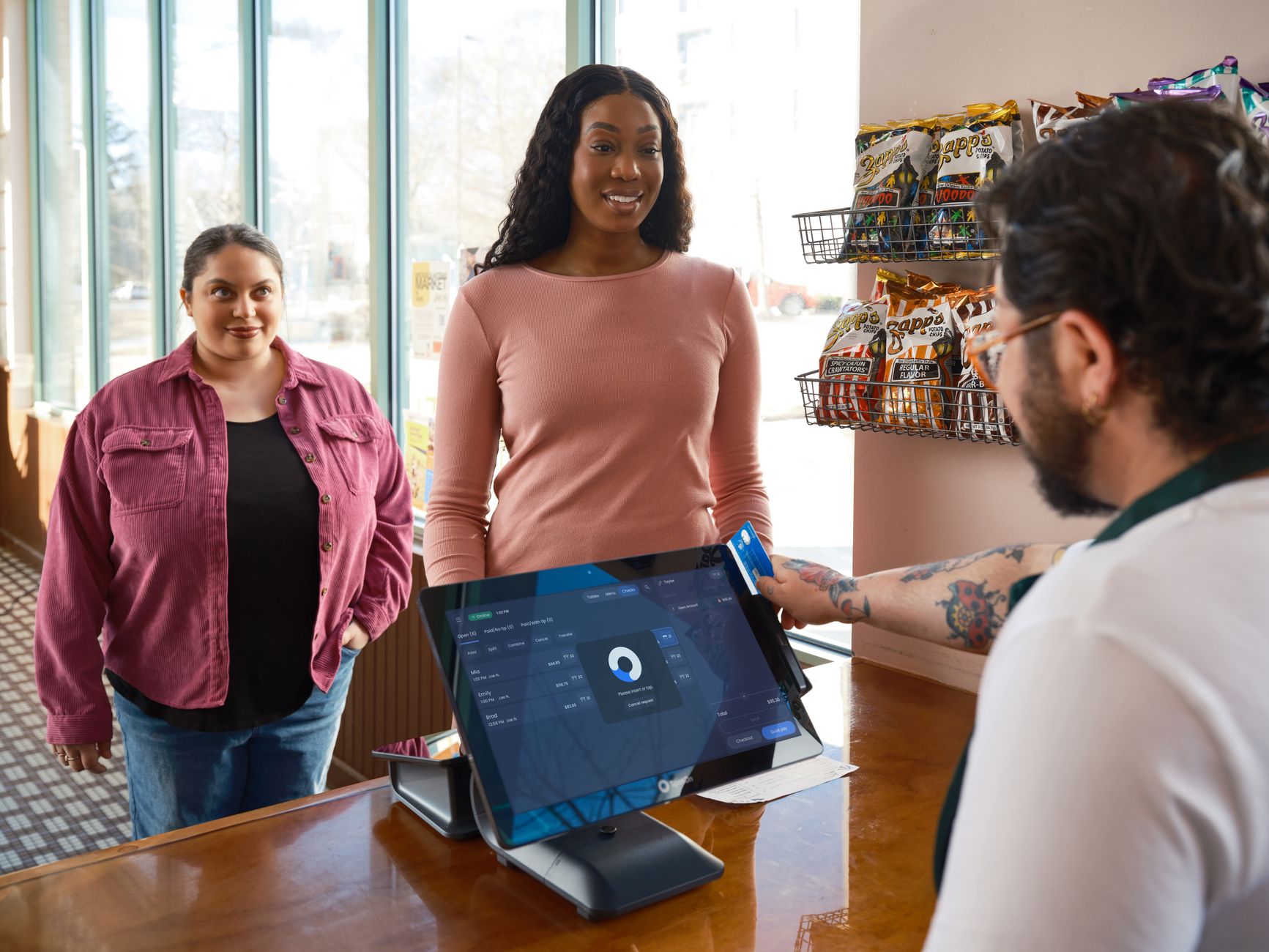
Handling customer questions about nicotine products in retail requires a balanced approach: provide factual product information, maintain an adult-only environment, and avoid giving medical, legal, or personal-use advice. Retailers should train staff to answer questions using verified product data, such as the details found on individual product pages at ngpeurope.eu, and to redirect any health-related or dosage inquiries to appropriate professionals.
Why Do Customers Ask Questions About Nicotine Products?
Customers ask questions for several reasons, and understanding their intent helps you respond appropriately. Common inquiries include product specifications, format, flavor, and nicotine content. Some customers may ask about differences between products, while others are simply confirming what they are purchasing.
In the B2B context, wholesale buyers often ask questions to make informed purchasing decisions for their own retail operations. They need accurate information for inventory management, staff training, and customer service. Questions may also arise from end consumers directed at retail staff, who then need to escalate or answer within their scope.
Distinguish between two types of questions: those seeking factual product information and those seeking personal advice. The former can be answered with official product data; the latter, such as "Will this help me quit smoking?" or "What strength should I use?" should not be answered with medical or dosage guidance. Instead, refer customers to appropriate qualified professionals or advise them to seek information from authoritative sources, per the scope of the business.
What Is the Difference Between mg/g and mg/pouch?
Nicotine content on product labels can be expressed in different ways, causing confusion. The two most common units are milligrams per gram (mg/g) and milligrams per pouch (mg/pouch).
- mg/g (milligrams per gram) indicates the concentration of nicotine in the product per gram of weight.
- mg/pouch (milligrams per pouch) indicates the total amount of nicotine in a single pouch or serving.
These are not interchangeable. A product with a certain mg/g value may have a different mg/pouch value, depending on the product's weight and formulation. When a customer asks about "how much nicotine" a product contains, clarify which unit they are asking about. Refer to the product's official page, which lists the exact specification, as on ngpeurope.eu product pages. Never attempt to calculate intake, equivalent cigarette consumption, or recommended strength, as that falls outside approved guidance.
How Should You Answer Questions About Product Specifications?
When a customer asks about a specific product—its manufacturer, origin, ingredients, net weight, flavor, or nicotine content—use only the exact information from that product's official page. For instance, the ngpeurope.eu catalogue provides individual product pages that list such details. Do not generalize from one product to another, even within the same brand, because formulations vary.
Here is a practical approach:
- Direct the customer to the official product page for the most accurate and current details.
- State the specification as listed, without adding interpretation or calculation.
- If you are unsure or the information is ambiguous, say so and offer to check.
- Avoid reading product specifications from memory or inference, as this risks inaccuracy.
For example, if a customer asks about the nicotine content of a particular brand, you might say, "The product page shows it contains [exact value] mg/g nicotine," or "I can check the product page for you." This ensures accuracy and builds trust.
What Should You Do If a Customer Asks for Health or Legal Advice?
Retail staff are not medical or legal professionals, and the role of the retailer is not to provide such advice. If a customer asks about health effects, smoking cessation, or legal compliance, respond within your scope and refer them accordingly.
Health-related questions include those about nicotine addiction, safety, reduced-risk claims, or usage frequency. These are outside the retailer's remit. Instead of offering personal opinion, you can say, "I can't provide medical advice, but I can share the product's official ingredients and nicotine content." For questions about quitting or health concerns, suggest they consult a qualified healthcare professional.
Similarly, legal questions about the legality of products in a specific country or customs regulations should not be answered as legal advice. Retailers can state that product compliance depends on local laws and encourage customers to verify with their own authorities. Never predict or interpret regulations.
By declining to give advice and redirecting, you protect the customer and the business from misinformation and potential liability.
How Can You Use Product Pages to Build Customer Confidence?
Using official product pages is the backbone of accurate customer communication. The ngpeurope.eu portal is an authorized wholesale source, and its individual product pages list the product name, manufacturer, country of origin, ingredients, net weight, flavor, and nicotine values. When you reference these pages, you provide verifiable and consistent information.
Encourage customers to view the pages themselves. This practice benefits B2B buyers who need to organize their catalogues, train their own staff, and plan merchandising. It also demonstrates that you are transparent and grounded in factual data.
One useful distinction is between the nicotine content per gram versus per pouch, which we covered earlier. Another is understanding that a product's flavor or ingredient list is not a health claim. Educate customers on how to read these details without overinterpreting.
For retailers, having a clear process for checking product information helps you handle inquiries efficiently. Train staff on where to find the information and how to communicate it accurately.
How Should Staff Handle Age-Verification Questions?
Age verification is a core part of responsible retailing. Customers might ask why an adult-only age gate exists or why ID is required. Explain that the portal and retail operations are strictly for adults aged 18 and over, and that this is a standard practice in the industry.
If a customer asks how the age gate works or how to register a business, you can explain that the official portal requires company details and administrator activation for retail businesses. This confirms that the B2B model is designed to exclude minors.
When age verification is challenged, remain polite and firm. Explain the policy without negotiation. This is not just a legal formality; it helps maintain the integrity of adult-only sales.
How Do You Prepare Your Team for Common Questions?
Preparation is key to handling questions consistently. Develop a simple guide for staff that outlines what they can answer and what they must escalate. For example, staff can answer: product specifications, flavor details, format, net weight, and nicotine content as listed. They cannot answer: dosage recommendations, safety warnings beyond the official warnings, legal advice, or personal health advice.
Train staff to listen carefully to the question, determine its type, and respond with the appropriate resource. If a question falls outside their knowledge, they can say, "I'm not certain about that; let me check the official product page or consult with my manager." This avoids guessing.
Regularly review product information as new products or updates appear on the portal. Since details change, always check the current official page rather than relying on memory.
Frequently Asked Questions
Can I answer a customer's question about whether a product is safe?
No. Safety and health-related questions should be deferred. You can provide the product's ingredients and nicotine content as listed, but you should not make any health or safety claims beyond the official warnings.
Is it okay to tell a customer which nicotine strength to choose?
No. Strength selection depends on individual factors, and recommending a specific strength could be construed as medical or dosage advice. Instead, provide the product's nicotine values and let the customer make their own informed choice.
What if I don't know the answer to a customer's question?
It's better to admit you don't know than to guess. Offer to check the official product page or escalate to a manager. Accurate information is more valuable than a prompt but incorrect answer.
How can I help a B2B customer who wants to carry our products?
Direct them to the official wholesale portal at ngpeurope.eu, where they can register their business. Registration requires company details and administrator activation. For further assistance, they can contact the published sales contacts for wholesale enquiries.
Key Takeaways
- Always answer with exact product data from the official product page, never from inference or memory.
- Understand the difference between mg/g and mg/pouch and communicate clearly which unit you are using.
- Keep health, legal, and personal-use advice out of the conversation; refer customers to qualified professionals.
- Use age verification policies to reinforce the adult-only nature of nicotine retail.
- Prepare staff with clear guidelines on what they can and cannot answer, and encourage them to check the official portal for current information.
Effectively handling customer questions about nicotine products is about being a reliable source of factual information while respecting the boundaries of your role. By grounding your answers in official product data and maintaining a professional, adult-only approach, you build trust with customers and contribute to responsible retailing in the nicotine industry.
This product contains nicotine where applicable. Nicotine is addictive. Not for use by minors or anyone under the legal age in their country. This content is for general trade information only and does not constitute medical or legal advice.
Resources: For more on responsible retail practices, see our guide on Staff Training and Responsible Sales Practices: A Complete Guide. To build a training program, read How to Train Retail Staff on Responsible Nicotine Product Sales. Also, our article on What to Include in a Responsible Retailing Training Program for Nicotine provides additional context.