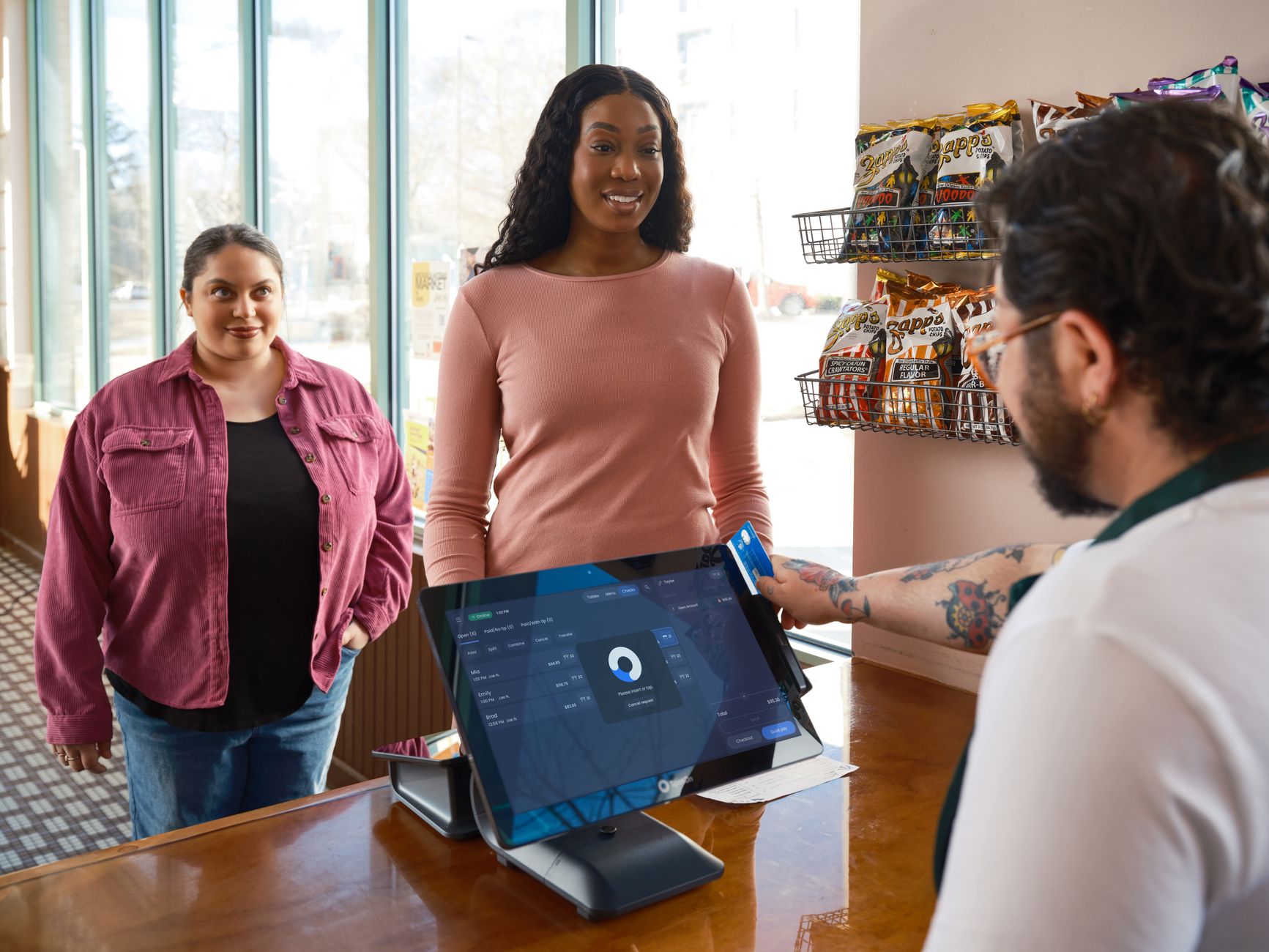
When a minor attempts to buy nicotine products, the transaction must be refused—every time, without exception. Peer pressure can intensify these attempts, as young people may try to persuade staff that the purchase is for an adult or use social pressure to rush a sale. Training your team to recognize and respond to both peer pressure and underage attempts is a practical skill that protects your business and upholds adult-only retail standards. This article outlines concrete training approaches that help retail staff handle these situations professionally and consistently.
What Are Peer Pressure and Underage Attempts in a Retail Context?
Peer pressure in retail refers to situations where one person tries to influence another to do something they would not otherwise do. In the context of nicotine sales, this often appears when a minor tries to buy a product directly, or when an adult is encouraged—by a friend or peer—to purchase on behalf of someone underage. These attempts are sometimes called “proxy” or “third-party” purchases. The adult is not the end user; they are acting as a proxy for a minor.
Underage attempts are straightforward: someone below the legal age attempts to buy a nicotine product. The legal age varies by country, so retailers must know the age threshold in their jurisdiction. The core principle is the same across all contexts: do not sell to anyone who is underage, and do not sell to an adult if you have reason to believe the product is intended for a minor.
Why Is Training on Peer Pressure and Underage Attempts Separate from General Age Verification?
General age verification training covers how to check an ID and assess whether a customer is of legal age. Training on peer pressure and underage attempts goes further because it addresses the social dynamics that can override a staff member’s judgment. A well-trained team member knows the rules for ID checks, but they also need strategies to respond to persuasion, avoid feeling rushed, and hold a firm line when a peer is pressuring them to make a sale.
This distinction matters for a practical reason. Peer pressure rarely involves a simple “I’m old enough” claim. It may involve a group where one person is of legal age and others are not, or a customer who is vague about who will use the product. Training that focuses only on ID verification may miss these subtle but common scenarios.
How to Train Staff to Recognize Peer Pressure and Underage Attempts
Teach the Warning Signs
Start by helping staff recognize the signs that an attempted purchase may involve an underage person or proxy purchase. These include:
- A group of young people where only one person approaches the counter while others wait outside or look around.
- A customer who is hesitant or unable to answer simple questions about the product, such as what strength or flavor they want.
- Adults who are vague about who the product is for, or who say things like “It’s for a friend” without being able to provide details.
- A customer who seems nervous, avoids eye contact, or is overly eager to complete the transaction quickly.
- Customers who are unfamiliar with the product or appear to be buying it for the first time without any obvious reason.
These signs are not proof of an underage attempt, but they are signals that warrant a closer look. Training should emphasize that these signals are not accusations—they are reasons to ask a few more questions or to request additional identification.
Role-Play Realistic Scenarios
Role-playing is one of the most effective ways to train staff on handling difficult conversations. Create scenarios that mirror common situations, such as:
- A group of teenagers tries to buy a product, and one of them claims to be 19 but produces no ID.
- An adult customer says they are buying for a friend who is “a bit younger,” and they are vague about the recipient’s age.
- A customer tries to rush the sale, saying they are in a hurry or that the queue is long.
For each scenario, have staff practice the following steps:
- Politely ask to see ID for everyone involved who appears underage.
- If ID is not provided, decline the sale with a calm, firm statement: “I’m sorry, but I cannot complete this sale without a valid ID showing you are of legal age.”
- Do not engage in debate or negotiation. Explain that the policy is for everyone’s safety and that you cannot make exceptions.
- If the customer becomes upset, remain polite and repeat the policy without getting drawn into an argument.
Role-playing helps staff build confidence and practicing these conversations makes it easier to stay calm in a real situation.
What Should a Training Program Include to Address Peer Pressure?
A training program for peer pressure should cover three core areas: awareness, response, and follow-up.
Awareness: Understanding the Dynamics
Staff need to understand why peer pressure works. A minor who wants to buy a product may rely on an adult acquaintance to make the purchase because the minor cannot legally do so themselves. The adult may feel uncomfortable refusing a friend or peer. Training should explain this dynamic so staff can spot it and respond without embarrassment.
Response: Actionable Phrases and Scripts
Give staff a set of clear, respectful responses they can use when they suspect a proxy purchase or underage attempt. For example:
- “I appreciate your interest, but I need to see ID for everyone who will be using this product.”
- “I’m sorry, but I can’t sell this if it’s for someone underage. It’s my responsibility to make sure all purchases are for adults.”
- “I understand, but this is a firm policy. I’m not able to make an exception.”
Train staff to use these phrases calmly and consistently. Repetition helps normalize the refusal and reduces the chance of a confrontation.
Follow-Up: Document and Report
If an underage attempt occurs, staff should know what to do after the fact. This may involve recording the incident in a log (without capturing unnecessary personal details), informing a manager, or noting the time and date. Documentation helps identify patterns and can be useful if the business needs to review its processes.
How Can Role-Playing and Mock Transactions Prepare Staff for Real Situations?
The Value of Practice
Mock transactions—simulated sales where one staff member plays the customer and another plays the cashier—are a powerful training tool. They allow staff to practice the exact skills they will use on the floor: asking for ID, refusing a sale, and handling pushback. According to NGP Europe’s guidance on responsible retailing, these practices help build consistency and confidence.
How to Run a Mock Transaction
- Set up a counter or a table with a dummy product box or a laminated card representing a nicotine product.
- One team member plays the “customer” and is given a scenario card, such as “You are 16 and trying to buy for yourself” or “You are 24 and your underage friend asked you to buy.”
- The “cashier” must run the interaction using the training scripts, asking for ID and refusing if the scenario requires it.
- After each round, the team discusses what went well and what could be improved. This coaching moment is where learning sticks.
Run several rounds so that each staff member experiences different scenarios. Over time, this practice reduces hesitation and makes the correct behaviour automatic.
How to Reinforce Consistent Behavior Across Your Team
Consistency is essential. If one cashier refuses a sale and another lets it through, your business sends a mixed message. A strong training program includes regular refreshers, ongoing coaching, and clear policies that everyone follows.
Use a Written Policy
Document your store’s policy on age verification and proxy sales. Make it simple and direct: “We do not sell nicotine products to anyone under the legal age. We may ask for ID from anyone who appears underage. We do not complete a sale if we have reason to believe the product is intended for a minor.” Post this policy in a staff-only area so all employees see it regularly.
Build Training Into Onboarding
New hires should receive this training before they handle their first sale. Include it in your standard onboarding process, alongside other responsible retailing topics. If you are setting up a new training program, you might find it helpful to consult resources like How to Train Retail Staff on Responsible Nicotine Product Sales for a broader framework.
Refresher Sessions
Retail environments change, and so can staff confidence. Schedule a short refresher on peer pressure and underage attempts every few months. A 10-minute role-play during a team meeting can keep the skills sharp.
How to Train Staff on Handling Customer Reactions and Conflicts
Refusing a sale can sometimes trigger an emotional reaction from a customer. Training should prepare staff to manage these moments professionally:
- Stay calm and polite, even if the customer raises their voice.
- Do not take the refusal personally. The customer is reacting to the policy, not to the staff member.
- Repeat the policy once or twice, then disengage if the argument continues.
- If the customer becomes aggressive or threatening, have a plan in place—such as calling for a manager or, if necessary, security or authorities.
Role-play these conflict situations so staff practice staying professional under pressure. The goal is not to win an argument but to enforce the policy consistently and safely.
What Is the Role of a Responsible Sales Checklist in Training?
A responsible sales checklist is a simple tool that helps staff make consistent decisions at the point of sale. It can include steps like:
- Ask for ID if the customer appears underage.
- Verify the ID is valid and the date of birth matches the customer.
- Assess whether the customer is buying for themselves or for someone else.
- If you suspect a proxy purchase, ask a follow-up question.
- Refuse the sale if you are not satisfied that the purchase is for an adult.
Checklists are useful because they turn a complex decision into a series of clear steps. For more on creating a checklist, see How to Create a Responsible Sales Checklist for Nicotine Products.
Why Is Staff Confidence Critical, and How Can Training Build It?
Staff confidence is the difference between a tentative refusal and a professional one. A confident staff member states the policy without hesitation, which makes it more likely the customer will accept the refusal without argument. Training builds confidence by:
- Providing clear scripts to use.
- Giving staff repeated practice through role-play.
- Reassuring them that the business fully supports their decision to refuse a sale.
When staff know they have the backing of their employer, they are more likely to uphold the policy even in difficult situations.
Frequently Asked Questions
What if an adult customer is buying for someone underage?
If you have reason to believe the product is intended for a minor, you should decline the sale. Training should emphasize that this is not about judging the customer, but about following a clear policy to ensure nicotine products are sold only to adults.
How should I handle a situation where a group of teenagers is present?
Ask for ID from everyone who appears underage, even if only one person is at the counter. If any of them cannot provide valid ID, do not complete the sale. This approach closes the proxy-purchase loophole.
Is it okay to ask for ID from someone who looks over 25?
It depends on the legal age in your country. In many places, you can ask for ID from anyone who appears underage, and some retailers use a “challenge 25” policy. The best approach is to follow the law in your jurisdiction and your business’s stated policy. When in doubt, asking for ID is a safe choice—the worst-case outcome is a minor delay for a legitimate adult customer.
Key Takeaways
- Underage attempts and proxy purchases are common challenges that require specific training beyond basic ID checks.
- Role-playing and mock transactions are effective ways to build staff confidence and consistency.
- A clear written policy, regular refresher training, and a responsible sales checklist help maintain standards over time.
- Staff should be trained to recognize warning signs, respond with calm and firm language, and handle customer conflict professionally.
- Handling peer pressure and underage attempts is an ongoing responsibility, not a one-time training event.
For a comprehensive overview of staff training and responsible sales practices, refer to Staff Training and Responsible Sales Practices: A Complete Guide. If customer questions about nicotine products come up during these interactions, you can also review How to Handle Customer Questions About Nicotine Products in Retail.
Conclusion
Peer pressure and underage attempts are a reality of retailing nicotine products. They are situations that test both your store’s policy and your staff’s resolve. By investing in training that covers awareness, response, and practice, you equip your team to handle these challenges professionally and consistently. The result is a safer environment for your business, your staff, and the adult customers you serve. Remember: a well-trained team is your best defense against underage sales.
This product contains nicotine where applicable. Nicotine is addictive. Not for use by minors or anyone under the legal age in their country. This content is for general trade information only and does not constitute medical or legal advice.